


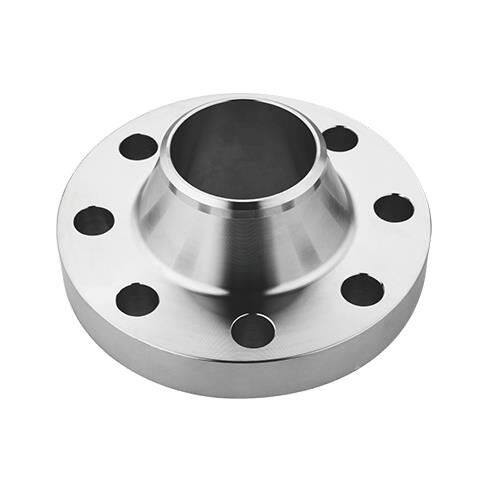





What should I do if the stainless steel flange leaks? What are the precautions for using stainless steel flanges?
First check the leaking location. Generally, it is impossible to inject sealant through the gap to eliminate the leak due to the extremely small gap between the stainless steel flange connection. The sealing construction method is based on the on-site survey of the leakage site. In order to achieve limited sealing, the fixed clamp method is used to contain the leakage point to form a sealed cavity, and the sealant is injected to eliminate the leakage. The fixtures on one side are all custom-made. The fixture must first meet the need to contain the leakage point. The first point is to establish a sealed cavity between the valve body's stainless steel flange and the pipe joint.
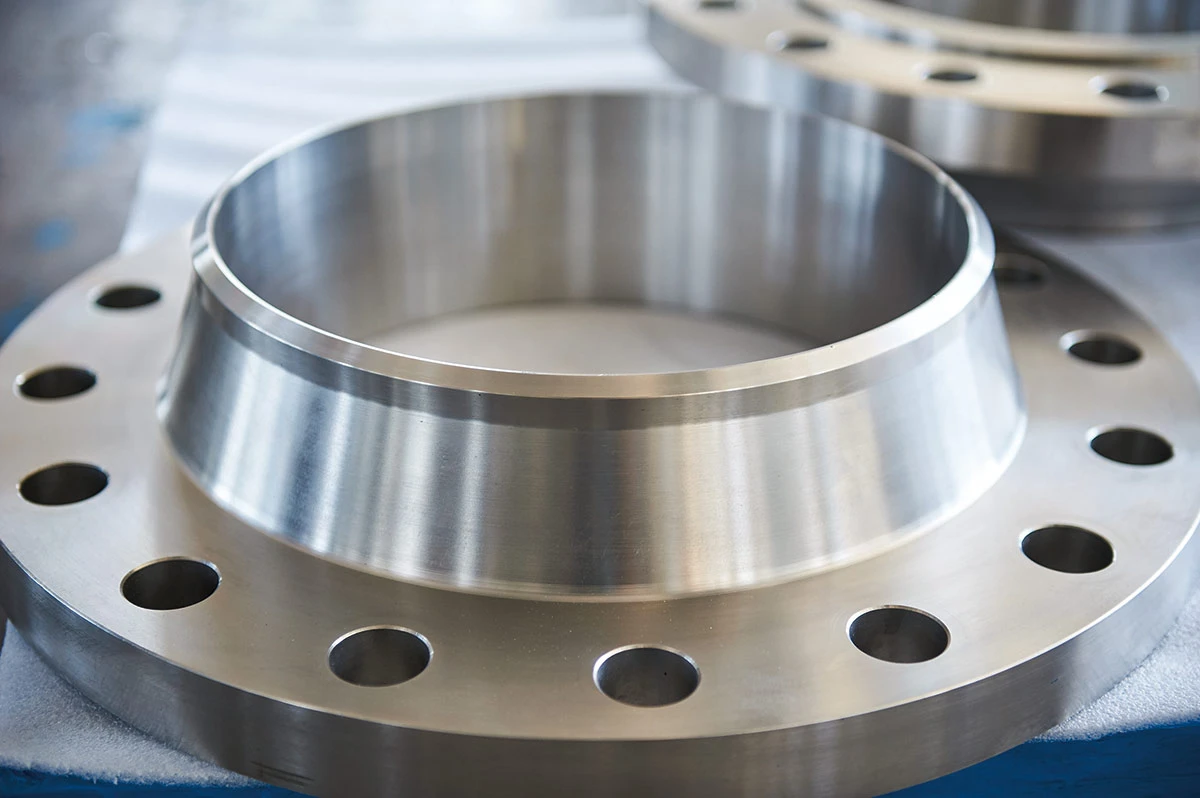
In order to prevent the potential leakage between the valve body and the stainless steel flange due to the holding pressure, an annular cavity is set up where the fixture and the outer edge of the valve body stainless steel flange coincide. Since the fixture of the reducing stainless steel flange is easy to move to the side of the small diameter stainless steel flange during the injection process, the tooth-shaped contact clamping is adopted as a limit measure. After the sealant is solidified during operation, after the effect is observed, local reinjection is performed to prevent stress relaxation, and then the injection hole is closed.


