

What is the basic principle of flange connection?
In the industrial field, flange connection is widely used as a means of connection, and its main components include flanges, sealing gaskets, bolts and nuts. Among them, the flange and the sealing gasket together form a whole. The flange is a circular component with a connection hole, which is usually fixed at the end of the pipeline or equipment; the sealing gasket is placed in the middle of the two flanges, its purpose is to fill the gap between the flanges and realize the sealing function; the main function of the bolts and nuts is to ensure that the two flanges can be tightly combined.
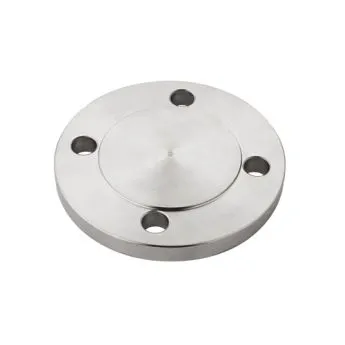
The operation of the flange connection is both simple and efficient. Since it is achieved through friction, it has better lubrication than other mechanical seals, does not require frequent maintenance, and can be reused. When the bolts and nuts are tightened together, the tightening force they generate will compress the gasket to the sealing surface of the 304 Stainless Steel Flanges, thereby achieving a tight sealing effect. Flange connection is not only suitable for oil and gas transmission systems, but also can be used in petrochemical, chemical metallurgy and other industries. Such a sealing effect can effectively prevent fluid leakage in the pipeline, thereby ensuring the sealing and stability of the transmission medium. In addition, flange connection has been widely used in industrial applications due to its advantages such as easy disassembly, high strength and good sealing performance.

What is the role of the gasket in the flange connection?
In the process of flange connection, the gasket plays an indispensable sealing function. Gaskets are parts used to fix flanges or connect other components. The gasket is placed in the middle of the two flanges and fixed to the sealing surface of the flanges by the tightening force applied by bolts and nuts. Gaskets are one of the most important and most used components in 304 Stainless Steel Flanges connections. Their main function is to seal the two adjacent flanges to prevent fluids from leaking from one flange to another non-flange, causing environmental pollution and equipment damage. The sealing and service life of flange connections are directly affected by the materials and properties of the gaskets.
Commonly used gasket materials include rubber, asbestos and polytetrafluoroethylene. Among them, rubber is a medium sealing material with the best performance, which is mainly used for various pipeline connections in industrial fields such as petroleum, chemical, metallurgy and electric power. This type of material has excellent sealing and corrosion resistance, which can effectively prevent fluid leakage in the pipeline. Gaskets not only have a certain degree of elasticity and resilience, but also can deform under the influence of bolt tightening force, thereby filling the gap between flanges and maintaining excellent sealing performance.
How do bolts and nuts in flange connections work?
In the 304 Stainless Steel Flanges connection process, bolts and nuts play a key tightening role. When the bolts are removed from one flange, they will cause damage or damage to other parts around it. They cooperate with each other to compactly combine the two flanges together, ensuring that the gasket has good compression and sealing performance. When the bolts are tightened, the threads rotate due to their axial force. The bolts generally pass through the holes on the flange and fit tightly with the nuts. During the tightening process, the tension generated by the bolts ensures that there is sufficient pressure between the flange and the gasket, thereby achieving a sealing effect.
The operation of bolts and nuts requires not only that they have sufficient strength and durability, but also that they must be able to withstand the pressure and temperature fluctuations caused by the fluid in the pipeline. If there is a problem with the bolts or nuts, it will have a greater impact on the entire pipeline system. Therefore, in the process of selecting bolts and nuts, it is necessary to make appropriate material and specification selections based on the specific working environment and needs. In addition, it is also necessary to ensure good sealing between them and the connected body. When installing, we also need to pay close attention to the tightening force and tightening order of the bolts, so as to ensure that the flange connection has good sealing effect and stability.

How does the flange connection adapt to different working pressures and temperatures?
In order to ensure the sealing and stability of the flange connection, it must be able to adapt to various working pressures and temperature fluctuations. With the development of modern industry, higher requirements are also put forward for flange connections. In order to achieve this goal, it is particularly important to select the material, size and sealing method of flanges, gaskets and bolts.
In the process of selecting flanges, we need to determine the material and thickness of the flange according to the working pressure and temperature. If ordinary materials are used, lower strength alloys can be used without considering which metal material to choose. For example, in the face of high pressure and high temperature environments, we can choose to use high-strength and high-temperature-resistant alloy steel or stainless steel as materials; under low pressure and normal temperature conditions, choosing carbon steel as a material is relatively economical and practical. The flange structure also includes the positional relationship between the bolt hole and the through hole, as well as the threaded connection method. In addition, the sealing method of the flange should also be selected according to specific needs, such as flat sealing, concave-convex sealing, tongue-and-groove sealing, etc.
When selecting gaskets, the role of working pressure and temperature must also be taken into account. Due to the difference in the material properties of the gasket itself, it also has a certain impact on the sealing effect. Gaskets are made of different materials, so their performance in terms of pressure resistance, temperature resistance and corrosion resistance is also different. For equipment used at high temperatures, the material itself will undergo a series of changes, resulting in its performance degradation and failure. Therefore, in the process of selecting gaskets, it is necessary to make appropriate material selections based on the actual working environment and needs. When selecting gaskets, the performance of the materials used should be tested first, and then the test should be carried out to determine whether they meet the requirements of relevant standards. In addition, the thickness and compression of the gasket should also be adjusted appropriately according to the working pressure and temperature to ensure that it has good sealing performance and long service life.
When selecting bolts and nuts, the factors of working pressure and temperature cannot be ignored. For low temperature environments, since bolts and nuts themselves have a certain elastic deformation capacity, their stress distribution is different from that at normal temperature. Under high temperature conditions, bolts and nuts may become loose or broken due to thermal expansion; under high pressure environmental conditions, they need to withstand greater tension and shear force. In addition, due to the limitations of factors such as material strength, bolts and nuts must also have a sufficiently high load-bearing capacity and good sealing. Therefore, in the process of selecting bolts and nuts, it is necessary to reasonably select materials, specifications and required tightening force according to the specific working environment and needs.
By carefully selecting the materials, specifications and sealing methods of 304 Stainless Steel Flanges, gaskets and bolts, and appropriately adjusting the tightening force of the bolts and the compression of the gaskets, the flange connection can be adapted to different working pressures and temperature changes, thereby ensuring its sealing performance and stability.
In which industrial fields are flange connections widely used?
Flange connections have been widely used in many industrial fields due to their advantages such as easy disassembly, high strength and good sealing performance. With the advancement of science and technology, people's requirements for it are getting higher and higher. The following are several representative application cases:
In the field of petroleum and chemical industry, flange connection technology is widely used to connect various pipelines and equipment. With the continuous development of industrial technology, higher and higher requirements are put forward for flange connections. Given that the transmission media in these industries are often corrosive, flammable and explosive, the sealing and stability of flange connections need to meet higher standards. By carefully selecting suitable flanges, gaskets and bolts, and strictly controlling the installation process, we can ensure that the flanges can operate reliably under these harsh environmental conditions.
In the food and pharmaceutical fields, stainless steel 304 Stainless Steel Flanges are widely used to connect sanitary pipes due to their excellent corrosion resistance. In these industries, there are extremely high requirements for the purity and hygiene standards of the transmission medium, which requires flange connections to have a higher level of cleanliness and sealing. At present, most of the stainless steel pipes on the domestic market are manufactured using traditional welding methods. The use of stainless steel materials and unique sealing methods can meet the strict standards of flange connections in these industries.

In addition, flange connection technology has also been widely used in many industries such as textiles, machinery manufacturing, construction, light industry, plumbing and electricity. With the development of industry, especially the rapid development of the petrochemical industry, the requirements for flange connections are getting higher and higher. In these industries, 304 Stainless Steel Flanges connections are not only used to connect various pipes and equipment, but also shoulder the responsibility of being a transmission medium.