

How to detect whether there is a leak in the flange connection?
- Appearance inspection: First, confirm whether there is obvious leakage in the flange connection area, such as the sound of liquid or gas leakage. Secondly, observe the surface of the flange with the naked eye for scratches and oil marks. At the same time, it is necessary to check whether the connection of the flange bolts has been tightened and whether there is any looseness or damage.
- Leakage test: We use air pressure or water pressure detection methods to conduct a detailed inspection of the flange connection part. When the sealing structure fails, the gasket can be replaced to avoid accidents. When conducting the test, it is necessary to strictly follow the relevant safety standards to ensure that the test pressure does not exceed the predetermined design pressure of the flange connection.
- Torque check: Use a torque wrench to recheck the torque of the flange bolts to ensure that the torque value meets the specified value provided by the manufacturer to verify the firmness of the flange connection.
- Other tests: According to specific needs, we can also choose to use non-destructive methods such as ultrasonic testing and X-ray testing to further ensure the quality and safety of the flange connection.
What are the leading factors for leakage in flange connections?
Uneven clamping force during installation: Use a torque wrench to re-check the torque of the flange bolts to ensure that its value is consistent with the standard given by the manufacturer, thereby confirming the stability of the flange connection.
- Stress relaxation and torque loss: Due to factors such as mechanism vibration and temperature changes, stress relaxation may occur after the gasket is tightened on the flange, resulting in leakage.
- Excessive surface roughness of the sealing surface: Excessive surface roughness of the sealing surface will affect the sealing effect and increase the risk of leakage.
- Temperature change: Leakage at the flange connection often occurs during the temperature drop process. Due to the different cooling rates of the flange and bolts, the clamping force of the gasket changes and stress relaxation occurs.
- External environmental corrosion: Flanges and bolts are prone to rust in the presence of corrosive media, leading to leakage problems.
- In an emergency, how to temporarily deal with the leakage of flange connections?
- Clear the fire source immediately: When there is a serious leak at the flange, the supervisor should immediately clear the hidden dangers of the fire source on site, prevent irrelevant personnel from approaching, and be vigilant.
- Close the relevant valves: The operator should quickly close the liquid-phase pneumatic valve at the rear of the tanker and the liquid-phase pneumatic valve at the unloading point, and then vent the gas in the hose and repair it.
- Prepare emergency measures: Firefighters should prepare fire extinguishers and be on standby to deal with possible emergencies.
- Take temporary plugging measures: If the leak is large and cannot be repaired immediately, consider using temporary plugging materials or tools for emergency plugging to reduce the degree of leakage.
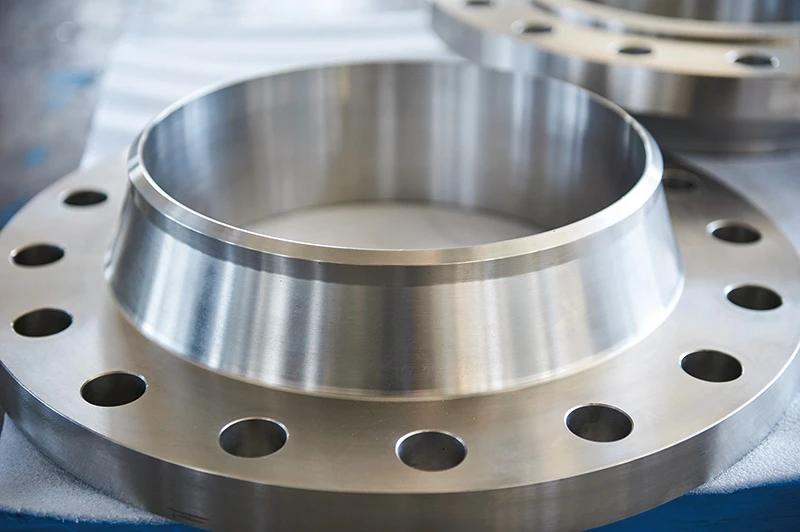
In the long-term solution, how to repair and prevent flange connection leakage?
Repair method:
- Polymer composite material repair: Use polymer composite material to externally wrap and seal the flange connection. The material has good adhesion and oil resistance and can effectively prevent leakage.
- Fixture injection repair: By designing and installing special fixtures, the flange leakage point can be quickly plugged by injecting sealant at high pressure. This method does not require production suspension, is easy to operate, and is safe and reliable.
- On-site flange processing technology: For large non-detachable flanges, portable flange end face processing machines can be used for on-site repair processing to ensure the accuracy and sealing of the flange sealing surface.
Preventive measures:
- Regular inspection and maintenance: Regularly inspect and maintain the flange connection parts to promptly detect and deal with potential problems.
- Select high-quality sealing materials: Select corrosion-resistant, high-temperature-resistant, and high-pressure-resistant sealing materials to improve the sealing performance of flange connections.
- Strengthen installation quality control: When installing the flange, ensure that the clamping force is uniform and the bolt torque meets the specified value to avoid leakage problems caused by improper installation.
What safe operating procedures need to be followed when dealing with flange connection leakage?
- Comply with safety regulations: When handling leakage, relevant safety regulations and operating procedures must be strictly followed to ensure personnel safety.
- Wear protective equipment: Operators should wear appropriate protective equipment, such as protective clothing, gloves, safety helmets, etc. to prevent harmful substances from causing harm to the body.
- Use professional tools: Use professional and safety-compliant tools and equipment for handling to ensure the safety and effectiveness of the operation.
- Avoid fire sources: When handling leaks, stay away from fire sources and flammable and explosive items to prevent fire or explosion accidents.
- Timely reporting and recording: Once a leak is discovered, it should be reported to the superior immediately and detailed information such as the leak, handling process and results should be recorded.