

Advantages of flange connection in sealing performance
Sealing principle
The flange connection is completely sealed by the compression of the gasket. When the bolts and nuts are tightly tightened, the resulting tightening force will cause the gasket to be compressed in the closed area of the Alloy Steel Flanges to achieve an efficient sealing effect. The material selection of the gasket is the key to determining its sealing performance. For example, commonly used rubber, asbestos and polytetrafluoroethylene have excellent sealing and corrosion resistance properties, which can effectively prevent the risk of liquid leakage in the pipe.
Sealing reliability
The flange connection can maintain its sealing robustness during long-term use, thanks to its strong resistance to medium corrosion, friction and wear, and aging. High-quality flanges and gaskets have excellent performance and can effectively resist the erosion of various corrosive substances, thereby ensuring the integrity of the sealing surface. The design structure of the flange connection not only takes into account the wear and aging caused by long-term use, but also successfully extends its service life through reasonable selection of materials and careful layout design.
Leak detection and repair
It is very effective to detect leaks using flange connections. Since flange connections are segmented, if a part leaks, its position can be easily locked and repaired. At the same time, the disassembly and rearrangement process of the flange connection is also relatively intuitive and simple, so that the design can be repaired more quickly when leaking, reducing interference with manufacturing.
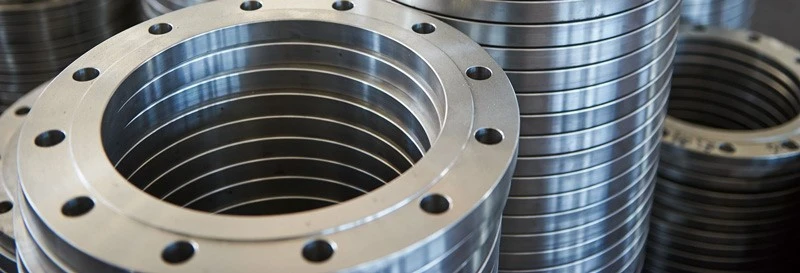
Advantages of flange connections in withstanding pressure and temperature fluctuations
Pressure bearing capacity
The flange connection is designed to withstand high pressure. The flange, bolts and gaskets have undergone detailed strength tests in design to ensure stable connection under high pressure conditions. Through careful material selection and structural layout, flange connections can cope with pressure challenges in various working environments and ensure the stability and safety of the pipeline network.
Temperature resistance
In environments where the temperature rises or falls, Alloy Steel Flanges connections still show excellent stability. Its temperature resistance is particularly affected by the materials used. For example, in the face of high temperature conditions, we can choose alloy steel or stainless steel that can withstand such environments as materials; in colder climates, it is feasible to choose a material with excellent low-temperature elasticity. The decision to choose these materials ensures that the flange connection has excellent reliability and stability under various temperature conditions.
Adaptability
The flange connection device shows the characteristics of flexible adjustment. In order to adjust the stability of the bolts and the compression capacity of the gasket, it can better adapt to various working pressure and temperature fluctuations. Such adaptive adjustments ensure that the flange connection can maintain a stable sealing function in a variety of working scenarios, thereby ensuring the stable operation of the pipeline system.
Convenience of flange connection in installation and removal
Installation process
When using flange connection, the installation process is simple and fast. First, ensure that the flange is positioned and placed at the end of the pipeline or related equipment; then, insert the bolts into the holes of the flange and tighten them with screws. The entire installation process does not rely on complex equipment or means, and only needs to be executed according to the correct operating procedures. This convenient and efficient installation solution makes flange connection very popular on engineering sites.
Disassembly convenience
The flange connection method also shows the characteristics of fast speed and easy operation when it needs to be disassembled. The two flanges can be separated by simply loosening the nuts and removing the bolts. This disassembly method minimizes the adverse effects on the equipment and does not cause damage or deformation to the equipment. In addition, the flange and gasket can be simply cleaned and inspected after disassembly, making good preparations for its re-use.
Reusability
Once the flange is removed, it can maintain its original state and be used many times. Flanges and gaskets are usually able to remain intact and undamaged during routine applications and disassembly stages due to their excellent wear resistance and corrosion resistance. Due to the reusable characteristics of flange connections, their maintenance costs are relatively low, which means that there is no need to frequently replace related parts.
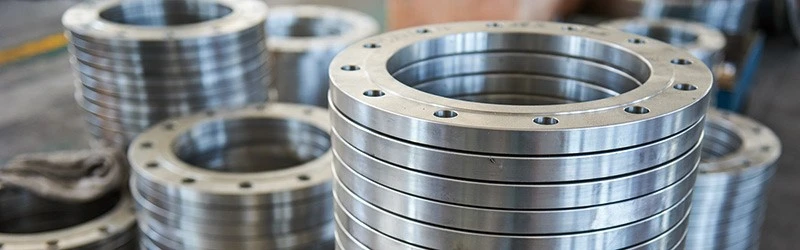
Flexibility of flange connections in adapting to pipe connections of different materials and specifications
Material compatibility
Flange connections can adapt to pipes of different materials. Whether it is a metal pipe, a plastic pipe or a glass pipe, it can be connected by choosing the right flange and gasket material. The processing method for special materials is also relatively simple. Just choose the right flange and gasket according to the material characteristics. This material compatibility makes flange connection widely used in pipeline systems of various materials.
Specification Diversity
Flange connection shows many choices and diversity in terms of size, appearance and connection method. When connecting pipes of different diameters, flanges of various sizes are feasible options; different flange shapes have the ability to adapt to various pipe end designs; various connection methods can adapt to diverse access requirements. Such specification differences allow flange connection to meet the requirements of different pipeline systems and expand its breadth of application.
Customization Service
The connection function of the flange also provides users with personalized customization. According to the special needs of customers, we have the ability to customize special flange specifications, materials or connection modes for them. This personalized service allows flange connection to be more flexible to respond to various unique requirements and presents customers with more personalized solutions.
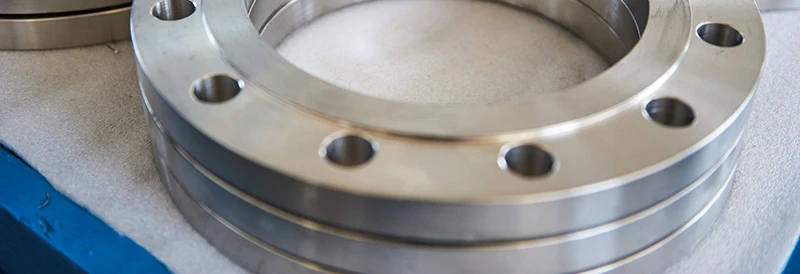
Convenience of flange connection in maintenance and replacement of parts
Easy maintenance
Flange connection shows great convenience in maintenance. Due to its relatively simple structure and easy access, maintenance work such as regular inspection, cleaning and lubrication can be easily carried out. For the inspection of flange connection, you only need to loosen some bolts to easily check the wear, corrosion or damage of flange surface, gasket and bolts. This easy inspection helps to find potential problems in time and take corresponding measures to prevent failures.
Cleaning work is also easy. Flange connection usually does not accumulate too much dirt or impurities, because the fluid will carry away most of the impurities when flowing in the pipeline. However, in some special cases, such as when the fluid contains solid particles or corrosive substances, it is necessary to clean the flange connection regularly. At this time, just remove the Alloy Steel Flanges and clean it with appropriate cleaning agents and tools.
In terms of lubrication, although the Alloy Steel Flanges connection itself does not require lubrication, the threaded part of the bolt may wear due to friction during long-term use. Therefore, regular lubrication of the bolts can extend its service life and reduce the noise and vibration caused by friction.
Component Replacement
In flange connections, damage to a single component does not mean that the entire connection needs to be replaced. Instead, the normal function of the connection can be restored by simply replacing the damaged component. For example, when a gasket loses its sealing properties due to aging, wear or corrosion, simply remove the old gasket and replace it with a new one. Similarly, if a bolt or nut is damaged, it can also be replaced individually.
This convenience of component replacement not only reduces maintenance time, but also reduces the impact on the overall connection performance. Because when replacing components, only the damaged part needs to be replaced without disassembling and reassembling the entire connection. This helps maintain the stability and reliability of the connection and ensure the normal operation of the pipeline system.
Maintenance Cost
From the perspective of maintenance cost, flange connections also show significant advantages. First, in terms of maintenance time, since the maintenance and component replacement of flange connections are relatively simple and quick, the maintenance cycle can be greatly shortened. This means that downtime in the production process will be greatly reduced, thereby improving production efficiency.
Second, in terms of material costs, Alloy Steel Flanges connection components such as gaskets, bolts, etc. are usually standardized and easy to purchase. Therefore, when parts need to be replaced, there is no need to spend a lot of time and effort to find a suitable replacement. Furthermore, since these parts are usually mass-produced, the price is relatively low.
Finally, in terms of labor costs, Alloy Steel Flanges connection maintenance and component replacement do not require highly specialized skills or knowledge. Therefore, companies can save the cost of hiring professional repair personnel and instead have existing operators or maintenance personnel complete these tasks.